Painful Urination in Nairobi: What Causes It and When to Get Tested

Painful urination can be caused by an STI, a urinary infection, or other factors — testing is the only way to know which.

KENAS Accredited ISO 15189:2022 Certified Confidential & Discreet
Medically reviewed by Dr. Paul Yonga, Medical Director & Infectious Disease Specialist · Last updated: 2026-09-15
Key Takeaways
  • Painful urination has several possible causes — both STI-related (chlamydia, gonorrhoea, trichomoniasis, an early herpes lesion) and non-STI (a urinary tract infection, chemical irritation). Symptoms alone can't tell you which.
  • Treating the symptom without testing risks leaving the real cause untreated, and inappropriate antibiotic use contributes to antibiotic resistance (WHO).
  • PCR testing identifies the specific cause directly, and results can depend on which site is sampled.
  • CA Medlynks offers confidential, KENAS-accredited testing, with most results ready in 24 to 72 hours.
Seek medical care urgently if your painful urination comes with fever or chills, pain in your back or side, pain on urination, or lower abdominal pain. A rapid and accurate diagnosis is warranted to ensure targeted evidence-based management and retesting for cure. Hence, a consultation and laboratory testing is warranted as soon as possible to ensure accurate diagnosis and treatment.

What Painful Urination Actually Is

A common, uncomfortable symptom with more than one possible explanation.

Painful urination, sometimes called dysuria, is a burning, stinging, or sharp sensation felt when passing urine. It can happen right at the start, throughout, or just after you finish, and is sometimes accompanied by needing to urinate more often or more urgently than usual.

On its own, this symptom doesn't tell you what's causing it. The next section covers the range of possible causes — the point of this page is to help you understand what's going on and what testing can confirm, not to guess a diagnosis from symptoms alone.

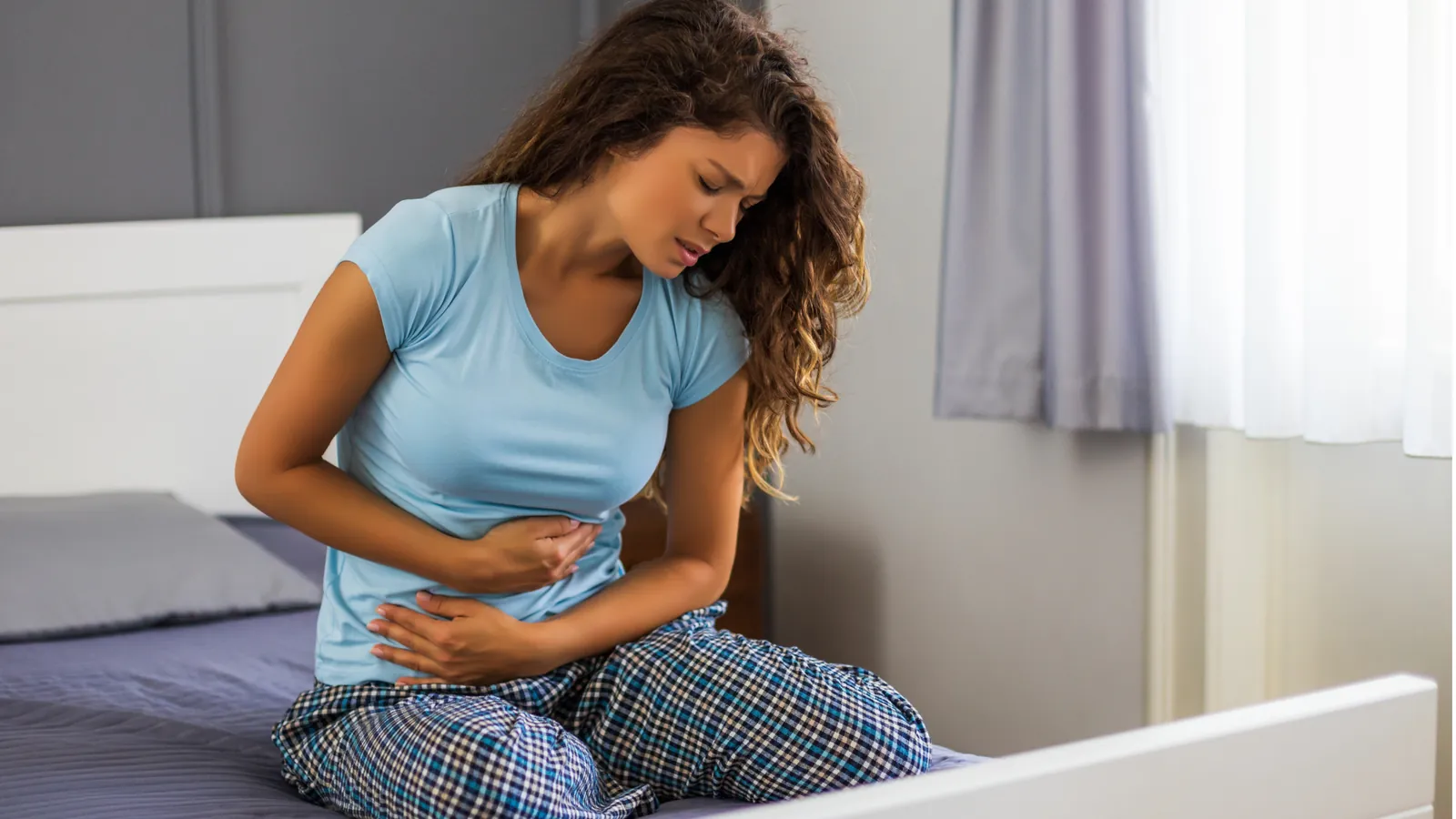
Woman sitting on the edge of a bed, holding her lower abdomen in discomfort
How It Can Present in Men
  • Burning or pain when urinating, sometimes alongside discharge from the penis or discomfort in the testicles.
  • Some men with chlamydia or gonorrhoea have no other symptoms at all.
How It Can Present in Women

What Can Cause Painful Urination?

Several different things can cause this symptom, and more than one can be present at once. This isn't a diagnosis — it's a starting point for understanding what testing can confirm.

Painful urination — possible causes
Painful urinationBurning, stinging, or sharp pain when urinating
Chlamydia Gonorrhoea Trichomoniasis Mycoplasma Early genital herpes lesion Urinary tract infection (UTI) Chemical/product irritation
STI-Related Causes
  • Chlamydia and gonorrhoea are common bacterial causes of painful urination, and can occur with or without other symptoms.
  • Trichomoniasis, a parasitic infection, can also cause this symptom.
  • An early genital herpes lesion, before or as a sore appears, can cause pain during urination.
  • These infections can co-exist — having one doesn't rule out another.
Non-STI Causes
  • A urinary tract infection (UTI) or cystitis is a common non-sexually-transmitted cause.
  • Chemical or product irritation (soaps, douches, spermicides) can also cause this symptom.
Symptoms alone cannot tell you which of these applies to you, and this page doesn't diagnose. A test confirms the actual cause.

Why Self-Diagnosis and Self-Treatment Are Risky

Treating a guess, rather than a confirmed cause, has real downsides.

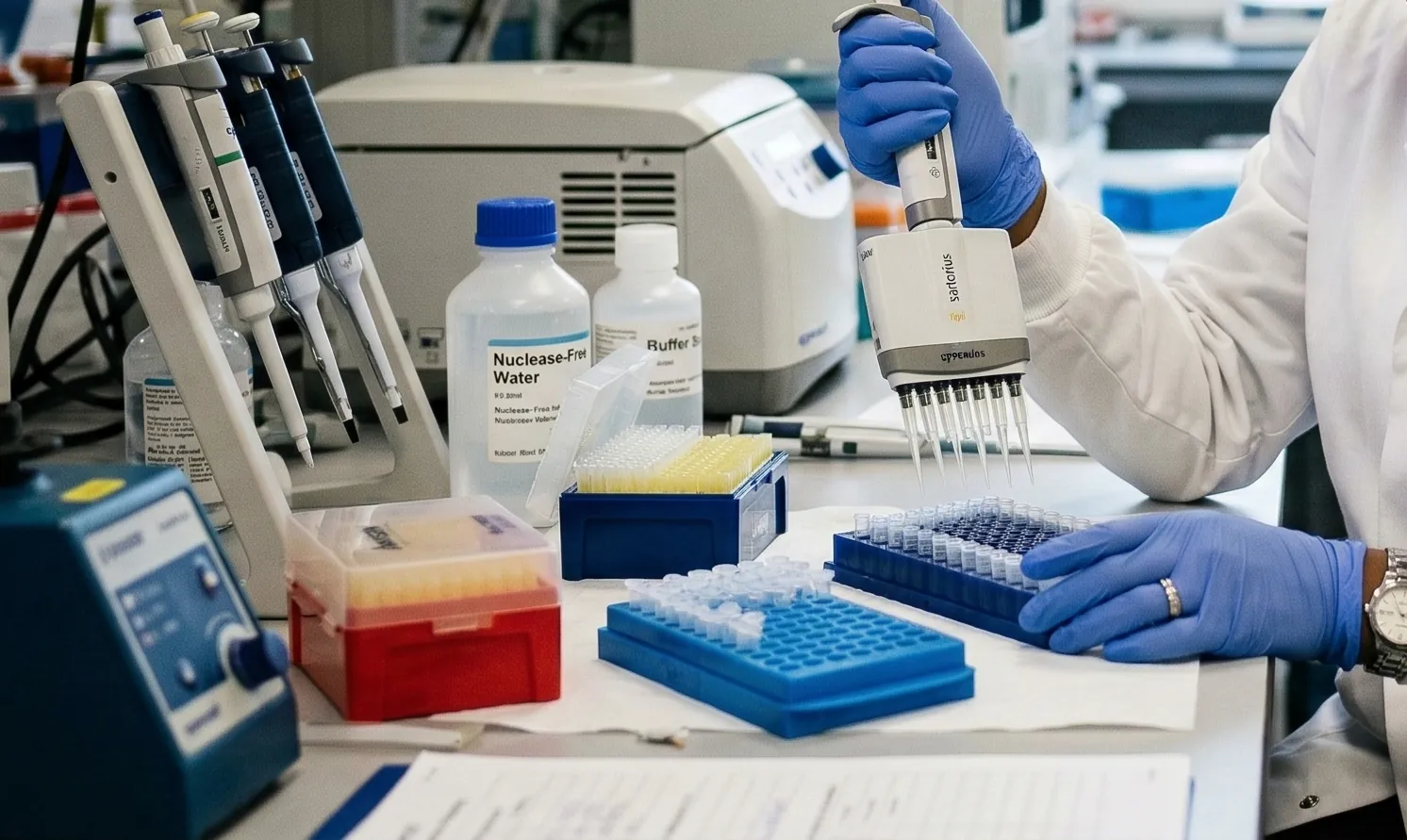
Gloved hands operating a multichannel pipette during laboratory sample processing
What Symptoms Alone Can't Tell You
  • The causes in the section above overlap heavily — there is no reliable way to tell them apart from the symptom itself.
  • Treating without testing risks leaving the real cause untreated, even if the symptom temporarily improves.
  • According to the World Health Organization, misusing or overusing antibiotics — including taking them when they're not needed, or taking the wrong type — is one of the main drivers of antibiotic resistance.
What Testing Confirms
  • PCR testing detects the pathogen's genetic material directly, rather than relying on a symptom-based guess.
  • Results can depend on which site is sampled (for example, urine versus a swab) — the right specimen for your situation is decided at consultation.
This is a statement of fact about symptom-based self-treatment and antibiotic resistance, not a comment on pharmacies or pharmacists, who play a valuable role in healthcare.

When to Get Tested

If you have symptoms, the answer is simple: as soon as possible.

Get Tested as Soon as Possible
  • If you have painful urination, testing as soon as possible is recommended — waiting doesn't reduce your risk, and an earlier diagnosis means earlier, targeted treatment.
  • No test is perfect: a false negative result is possible even with a real infection present, so if your symptoms continue or come back after testing, retesting is recommended.
If your painful urination follows a possible HIV exposure within the last 72 hours, post-exposure prophylaxis (PEP) may reduce infection risk if started in time. Seek care immediately at the nearest emergency facility or a healthcare provider who can assess you for PEP, and don't wait for a test result first. See our full guide: How Soon After Sex Should You Get Tested?

Get Checked at CA Medlynks

A confidential consultation is the fastest way to find out what's actually causing your symptom.

CA Medlynks offers STI testing packages of different sizes, from single-infection tests up to our most comprehensive panel (Platinum), which screens for multiple infections — including chlamydia, gonorrhoea, and trichomoniasis — in a single visit. Which package and specimen type is right for you is decided together with our clinical team during your consultation; this page suggests a starting point, not a diagnosis or a prescribed package.

Message Our Team About Your Symptom

Prefer to ask a question first? Message us on WhatsApp — you don't need a diagnosis figured out before you reach out.

Visit Us

Address: Daykio Plaza, Ground Floor, Off Ngong Lane, Nairobi

Phone: +254 741 669 175

Open in Google Maps
Why Patients Choose Us
  • Confidential & discreet testing protocols
  • KENAS-accredited PCR laboratory testing
  • Private consultation before any test is decided
  • Most results ready in 24 to 72 hours

This article is for general information only and does not replace professional medical advice, diagnosis, or treatment. Always speak to a qualified healthcare professional about your individual circumstances.

Frequently Asked Questions

Common questions about painful urination, testing, and self-treatment.

Q What does it mean if it hurts when I urinate? +
Painful urination (dysuria) is a burning, stinging, or sharp sensation felt when you pass urine, at the start, throughout, or just after. It's a symptom, not a diagnosis, and can be caused by several different things, including sexually transmitted infections, a urinary tract infection, or irritation from a product.
Q Is painful urination always caused by an STI? +
No. Painful urination can be caused by sexually transmitted infections such as chlamydia, gonorrhoea, trichomoniasis, or an early genital herpes lesion, but it's also commonly caused by non-STI factors such as a urinary tract infection (UTI) or chemical irritation from soaps or other products. Testing is the only way to know which cause applies to you.
Q Can I just buy antibiotics from a pharmacy for this? +
Symptoms alone can't identify which infection or condition is causing your pain, so treating without testing risks leaving the real cause unaddressed. According to the World Health Organization, misusing or overusing antibiotics, including taking them when they're not needed or taking the wrong type, is one of the main drivers of antibiotic resistance.
Q How soon should I get tested if I have painful urination? +
As soon as possible. Testing early means earlier, targeted treatment if a cause is found, and no test is perfect — if your symptoms continue or come back after testing, retesting is recommended. If your painful urination follows a possible HIV exposure in the last 72 hours, seek care immediately at an emergency facility or a healthcare provider who can assess you for PEP, rather than waiting to test.
Q Is testing at CA Medlynks confidential? +
Yes. Consultations, laboratory testing, and results at CA Medlynks are handled confidentially, and you can message our team on WhatsApp to ask questions privately before booking. KENAS-accredited PCR testing is used to identify the specific cause of your symptoms.
Medical References & Guidelines

Medically Reviewed By

This guide has been medically reviewed and is based on current international STI and antimicrobial-resistance guidance.

Dr. Paul Yonga

Dr. Paul Yonga

Medical Director & Infectious Disease Specialist
Qualifications
  • MBChB — Bachelor of Medicine & Surgery
  • MSPH — Master of Science in Public Health
  • FRCP (Edin) — Fellow of the Royal College of Physicians of Edinburgh
Areas of Expertise
  • Infectious Diseases Management
  • Travel Medicine & Tropical Diseases